
Quick answer
What does this superhero OC maker do?
Headcanon Superhero OC Maker turns your ability rules, responsibility, costume construction, expression, pose, and setting into an original hero concept. The AI drafts image options from your direction; you review whether the power is visually understandable, the costume supports its use, and the design remains distinct from existing comic, film, and game characters.
Exclusive character examples
6 original superhero OC ideas
Each example was created specifically for this page to show a distinct role, silhouette, palette, and setting. Open the prompt to study the direction, or apply it as an editable starting point.
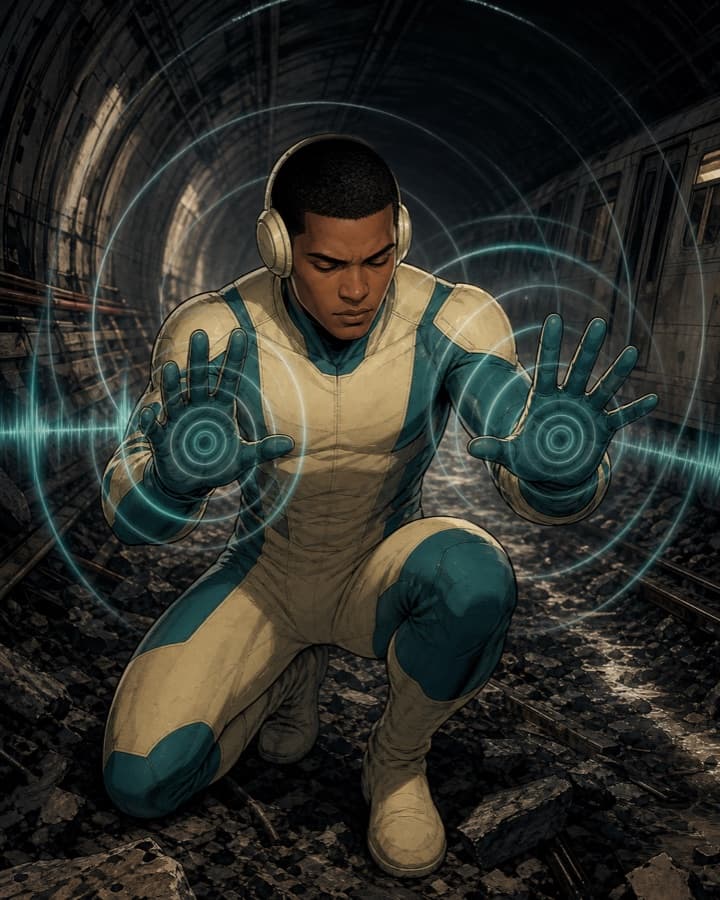
Acoustic rescue hero
Power, protective equipment, visual motif, and rescue setting all communicate one responsibility without a copied emblem.
View Prompt
An original acoustic rescue superhero with medium brown skin, close black hair, a cream and teal impact suit, padded ear guards, and concentric signal bands on both gloves, locating survivors inside a dark transit tunnel.
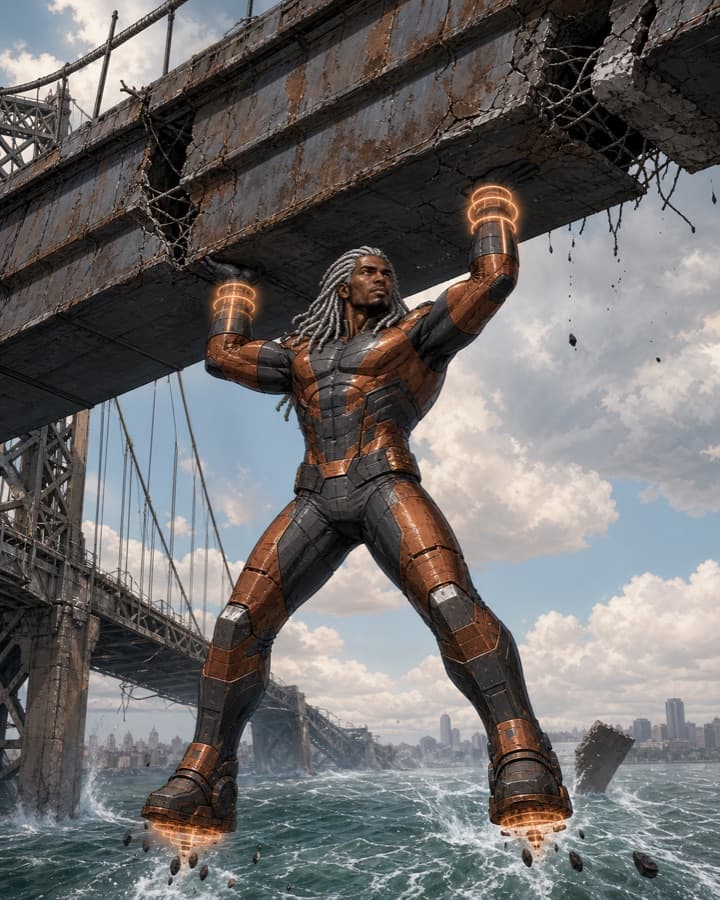
Gravity bridge engineer
The ability appears through a specific engineering action, while boots and load markers make the costume functional.
View Prompt
An original gravity-control superhero engineer with deep brown skin, silver locs, a rust and graphite structural suit, luminous load markers at the wrists, and magnetic boots, holding a fractured bridge beam steady above a river.
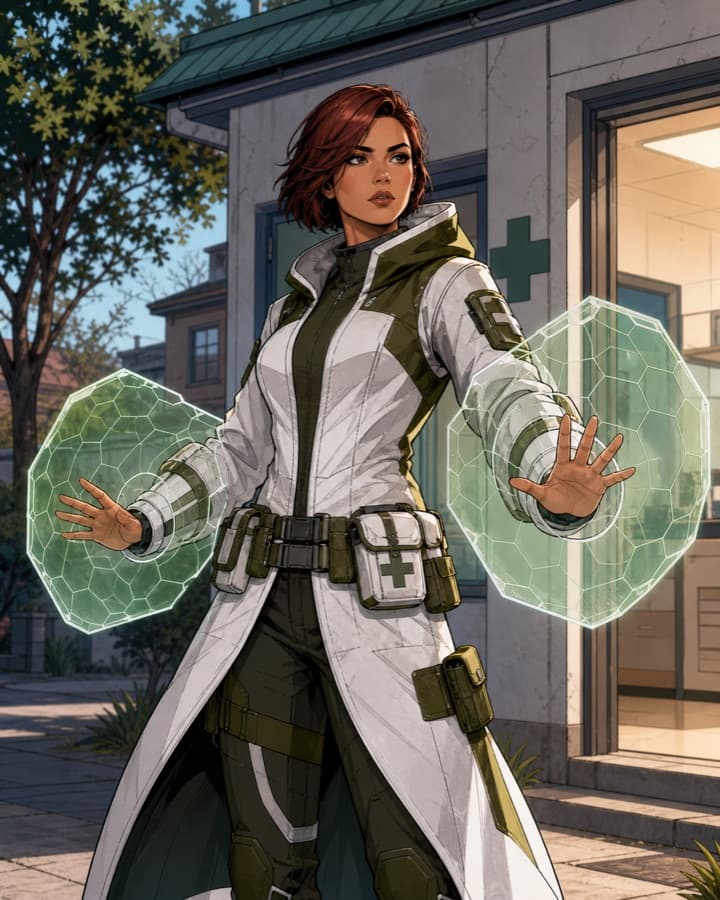
Community shield medic
Medical access, defensive power, and a calm protective stance create a hero identity centered on care rather than combat.
View Prompt
An original superhero field medic with olive skin, a cropped auburn bob, a white and moss protective coat, compact medical pouches, and translucent hexagonal shields unfolding from the forearms outside a neighborhood clinic.
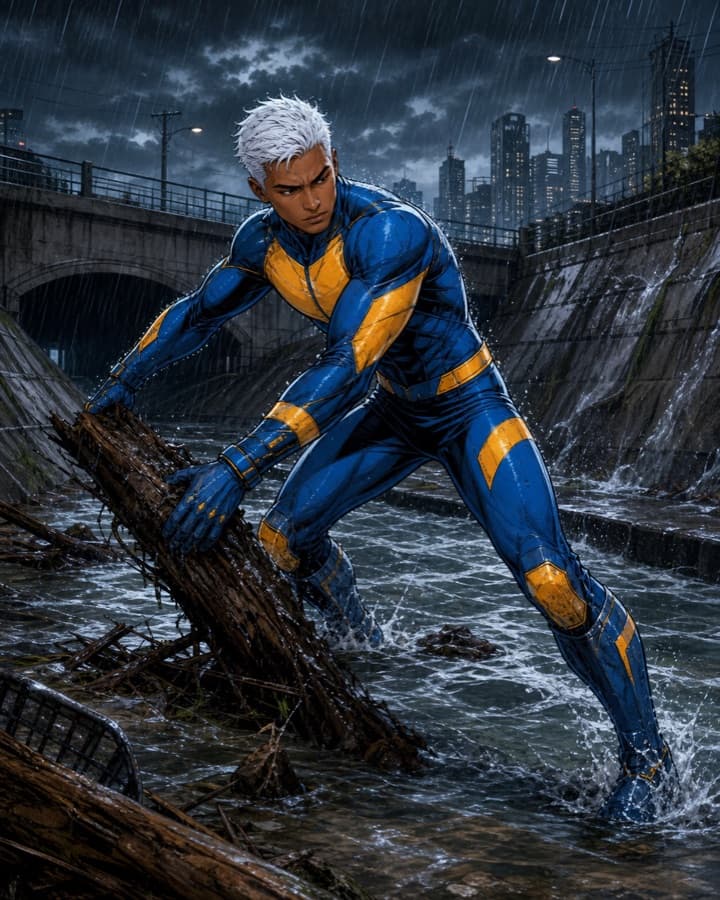
Storm-drain speedster
The environment defines the speedster’s practical equipment and separates the design from a generic racing suit.
View Prompt
An original flood-response speedster with tawny skin, short white hair, a cobalt hydrodynamic suit with amber visibility panels, reinforced gloves, and water-shedding boots, clearing debris from a city storm channel during heavy rain.
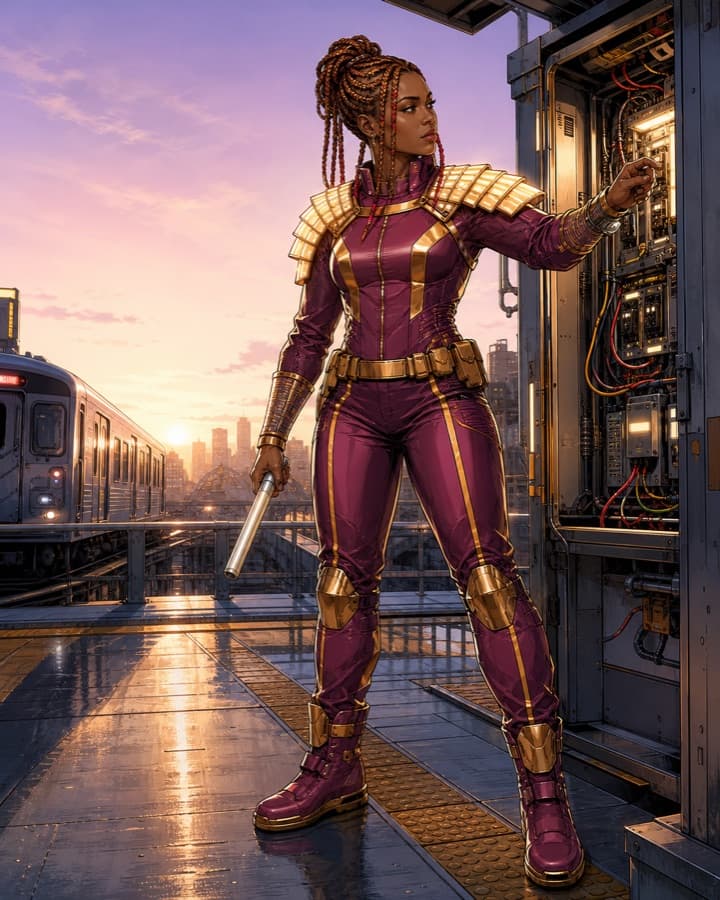
Solar transit guardian
Energy collection, heat management, and transit work produce an original costume system instead of decorative glowing armor.
View Prompt
An original solar-powered transit guardian with dark skin, braided copper hair, a plum and gold heat-dispersing suit, segmented light collectors across the shoulders, and a signaling baton, restoring power on an elevated train platform at dawn.
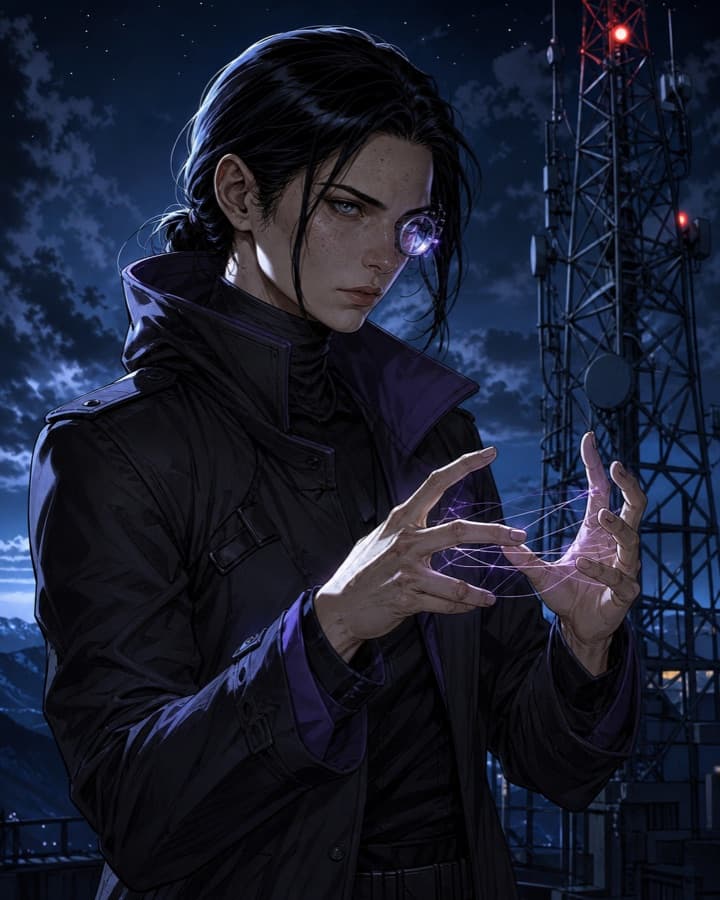
Truth-signal investigator
A restrained sensory ability, investigative clothing, and one location create tension without copying a masked vigilante archetype.
View Prompt
An original superhero investigator with pale freckles, long black hair tied low, a charcoal and violet field coat, one light-sensitive eye lens, and thin signal threads visible between the fingers, examining a silent broadcast tower at midnight.
Who it helps
Useful starting points for real character work
Comic writers testing a hero’s silhouette, power language, and public role.
Roleplayers creating an original masked or unmasked protector for a campaign.
Worldbuilders comparing how different cities organize rescue, accountability, and powered work.
Artists exploring functional costumes before drawing turnarounds or action studies.
Design guidance
Design a superhero from responsibility before spectacle
A memorable superhero design answers three connected questions: what can the character do, who benefits from that ability, and what does using it demand? Those answers should affect protective materials, tools, posture, and the environment. A sound-based rescuer needs hearing protection and signal gestures; a gravity engineer needs anchor points and load indicators.
Symbols work best when they emerge from a role rather than acting as a large unexplained logo. Repeated contour lines can represent mapping, interlocking arcs can suggest shielding, and reflective bars can support night rescue. Keep the visual system original and practical enough to survive different poses.
Write one power rule
State what the ability does, its visible effect, and one meaningful limit before designing the costume.
Connect costume to safety
Use insulation, anchors, filters, impact zones, visibility panels, or medical access where the ability and work require them.
Build a symbol from the role
Repeat a shape or material associated with rescue, communication, navigation, or protection instead of copying an emblem.
Show the civilian context
A bridge, clinic, transit line, neighborhood roof, or flood channel makes the hero’s responsibility visible.
Prompt framework
Give every visual detail a job
Use this order as a checklist, not a rigid command:
public responsibility + ability rule + meaningful limit + protective costume system + original motif + action pose + affected environment
Acoustic rescue hero
“An original acoustic rescue superhero with medium brown skin, close black hair, a cream and teal impact suit, padded ear guards, and concentric signal bands on both gloves, locating survivors inside a dark transit tunnel.”
Why it works: Power, protective equipment, visual motif, and rescue setting all communicate one responsibility without a copied emblem.
Gravity bridge engineer
“An original gravity-control superhero engineer with deep brown skin, silver locs, a rust and graphite structural suit, luminous load markers at the wrists, and magnetic boots, holding a fractured bridge beam steady above a river.”
Why it works: The ability appears through a specific engineering action, while boots and load markers make the costume functional.
Community shield medic
“An original superhero field medic with olive skin, a cropped auburn bob, a white and moss protective coat, compact medical pouches, and translucent hexagonal shields unfolding from the forearms outside a neighborhood clinic.”
Why it works: Medical access, defensive power, and a calm protective stance create a hero identity centered on care rather than combat.
Storm-drain speedster
“An original flood-response speedster with tawny skin, short white hair, a cobalt hydrodynamic suit with amber visibility panels, reinforced gloves, and water-shedding boots, clearing debris from a city storm channel during heavy rain.”
Why it works: The environment defines the speedster’s practical equipment and separates the design from a generic racing suit.
Solar transit guardian
“An original solar-powered transit guardian with dark skin, braided copper hair, a plum and gold heat-dispersing suit, segmented light collectors across the shoulders, and a signaling baton, restoring power on an elevated train platform at dawn.”
Why it works: Energy collection, heat management, and transit work produce an original costume system instead of decorative glowing armor.
Truth-signal investigator
“An original superhero investigator with pale freckles, long black hair tied low, a charcoal and violet field coat, one light-sensitive eye lens, and thin signal threads visible between the fingers, examining a silent broadcast tower at midnight.”
Why it works: A restrained sensory ability, investigative clothing, and one location create tension without copying a masked vigilante archetype.
Review before you save
- Can a viewer understand the ability and responsibility from the pose, costume, and environment?
- Does protective equipment address the power’s risk or the hero’s working conditions?
- Is the motif readable without becoming a copied or oversized chest logo?
- Are hands, joints, masks, boots, armor seams, capes, and energy effects structurally plausible?
- Does the design remain distinct from recognizable comic, film, television, anime, and game heroes?
Know the limits
- Energy effects, hands, masks, emblems, armor seams, flowing fabric, and action poses may contain visual inconsistencies.
- A single generated image is not a turnaround, model sheet, sequential action panel, or production-ready comic asset.
- Separate generations may change costume geometry, ability effects, facial identity, and recurring motifs.
- The tool should not be used to reproduce a protected superhero, costume, emblem, actor, or living artist’s exact style.
Superhero Original Character Creator questions
How do I create an original superhero instead of copying an existing one?
Start with a public responsibility, define one ability rule and limit, then build protective equipment and a visual motif from that work. Avoid famous emblems, exact color schemes, costume silhouettes, names, and origin details.
Can I make a superhero without a cape or mask?
Yes. Use visibility panels, protective materials, tools, posture, ability effects, and a repeated shape to establish the identity. A cape or mask should have a function if you include one.
Can I create a non-combat superhero?
Yes. The examples focus on rescue, engineering, medicine, flood response, transit, and investigation. Describe the people or system the hero protects and the task currently being performed.
Which Art style should I choose for superhero art?
This page starts with Comic Book for graphic action and clear silhouettes. You can change it to Anime, Cartoon, Semi-Realistic, Stylized 3D, or any other available style before generating.
Can this create a full superhero comic?
No. It creates raster character concept images. It does not provide consistent sequential panels, editable lettering, turnarounds, layered pages, or print-ready comic production files.
Do I need an account?
You can read the guide and inspect the controls without an account. Generating images requires sign-in and credits, with the current cost shown before submission.
Explore related directions
More OC Maker guides
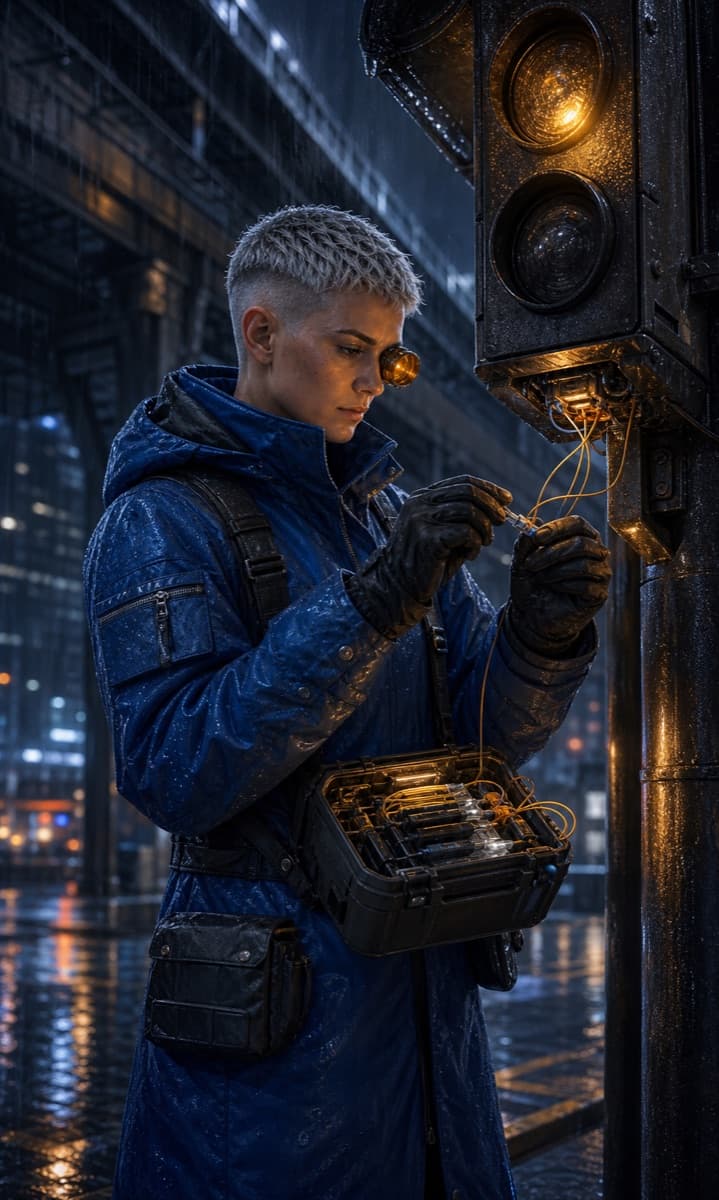
Cyberpunk OC Maker — Create a Cyberpunk Character | Headcanon
Create an original cyberpunk character with a city role, practical technology, clothing, expression, pose, and environment. Generate, review, and save privately.
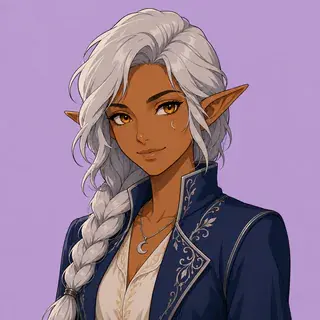
Cartoon OC Maker — Create a Cartoon Character | Headcanon
Create an original cartoon character with readable shapes, expressive poses, focused colors, and role-led details. Generate, review, and save your OC privately.
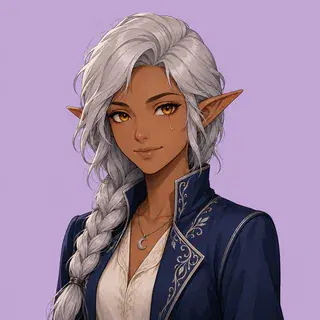
Anime OC Maker — Create an Anime Character | Headcanon
Create original anime character art from a written idea. Choose appearance, outfit, expression, pose, and framing, then review and save your OC privately.
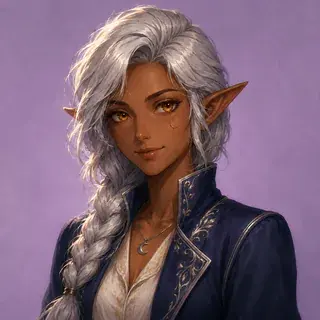
Fantasy OC Maker — Create an Original Fantasy Character
Design an original fantasy character with role-led prompts, outfit and species controls, expressive poses, and atmospheric settings. Review and save privately.