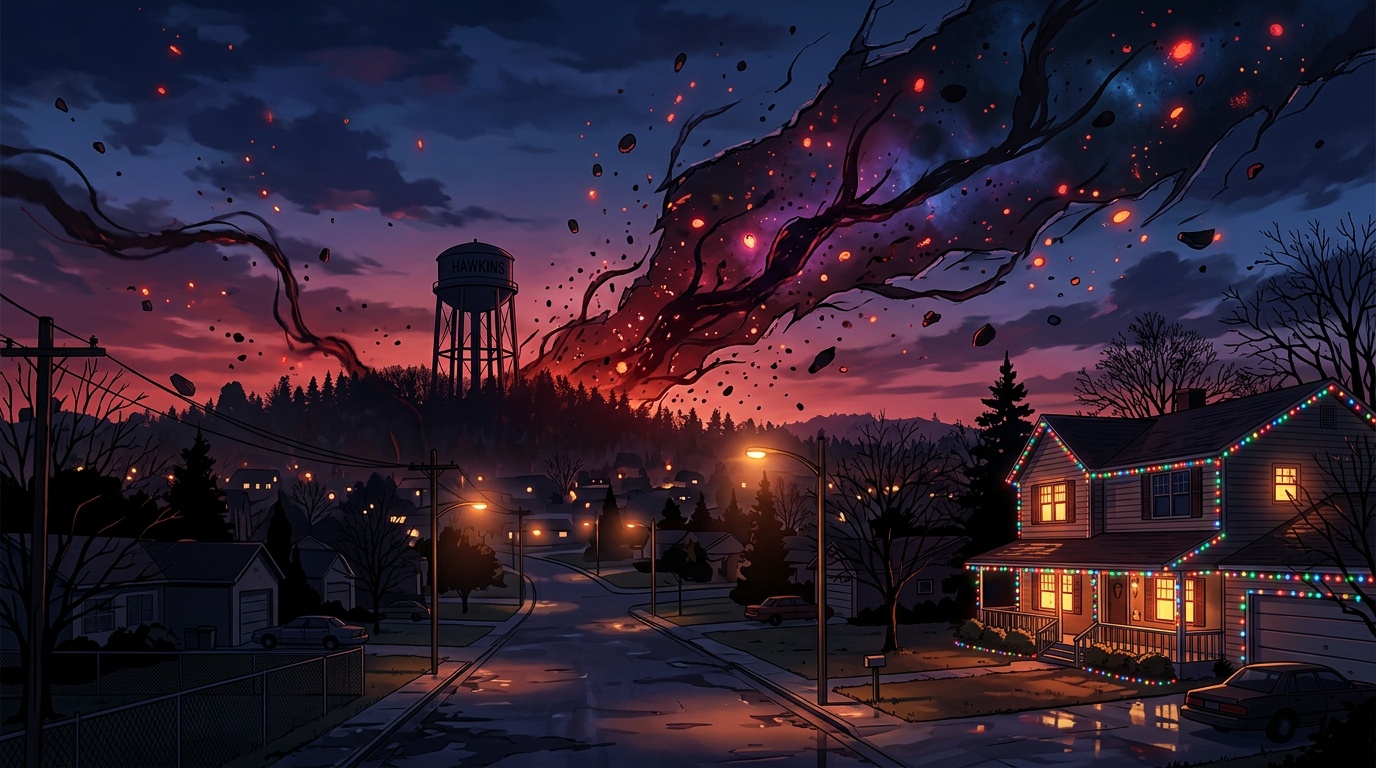
Stranger Things generates headcanon material shaped by its unusual premise: ordinary adolescent experience — growing up, first love, identity formation — conducted under extraordinary circumstances. The Upside Down functions as an externalization of the fears and vulnerabilities that are already present in adolescence, which means the show's horror is operating on two registers simultaneously. Headcanons that engage with this — treating the Upside Down not just as literal threat but as metaphor — tend to be the most resonant.
Will Byers is the character who generates the most complex headcanon material because the show consistently does something unusual with him: it shows the specific experience of being othered, of being marked by something no one else can fully see, without completely resolving what that experience means for Will's sense of self. His story is about surviving something that no one believes, and then about surviving the aftermath of everyone knowing.
Steve Harrington's arc — from archetype-bully to genuinely caring person, conducted entirely through the specific mechanism of learning to lose gracefully — is one of television's best-executed character transformations. The headcanon community has spent seasons examining what Steve actually is under the persona, and what made the transformation possible rather than simply asserted.
✍️This page is curated by the Headcanon.io editorial team — fans who engage with these communities directly. Character analysis and headcanon examples are selected to reflect the creative depth of each fandom, and are updated as community trends evolve. Learn more about us.