๐ŸŒ30 fandoms ยท growing

Browse Headcanons by Fandom

Fan-curated character theories, relationship dynamics, and backstory interpretations โ€” organized by the worlds you love.

Generate a headcanon for any fandomโ†’

Anime

12

Game

5

Book

3

TV Series

8

Manga

2

What Are Fandom Headcanons?

A headcanon is a personal interpretation of a fictional character, relationship, or event that isn't explicitly stated in the source material. The word merges "head" (what lives in a fan's imagination) and "canon" (the officially established story). Headcanons fill the narrative gaps โ€” the unshown conversations, the unexplored backstories, the private moments the text gestures toward but never fully depicts.

Unlike fan fiction, which tells a new story, a headcanon is more like a belief or an annotation. It's the mental note you write in the margins: "She definitely listens to jazz when she's sad." Or: "They met twice before the events of chapter one." Headcanons can be wildly creative or tightly textual โ€” but what they share is that they're sincere. They come from someone who cares enough about a work to think past what's explicitly shown.

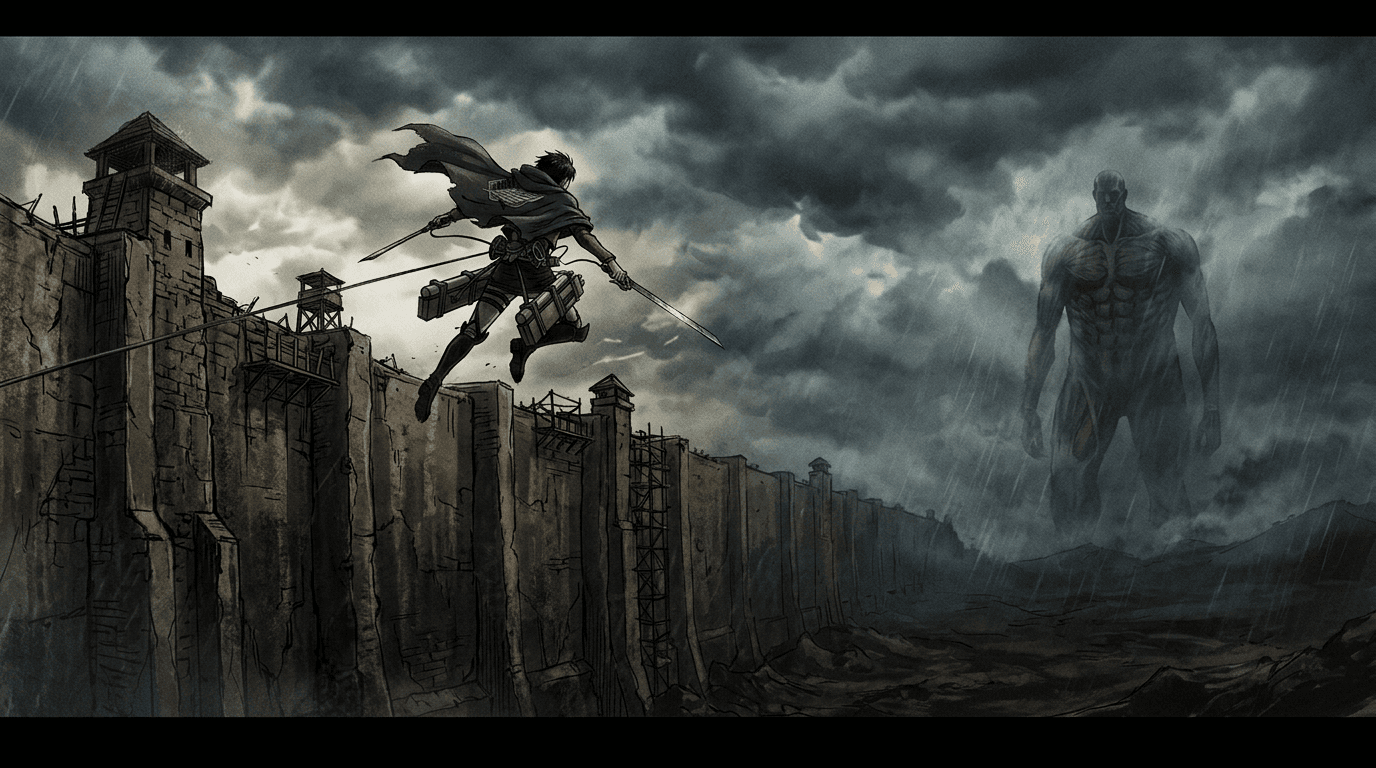
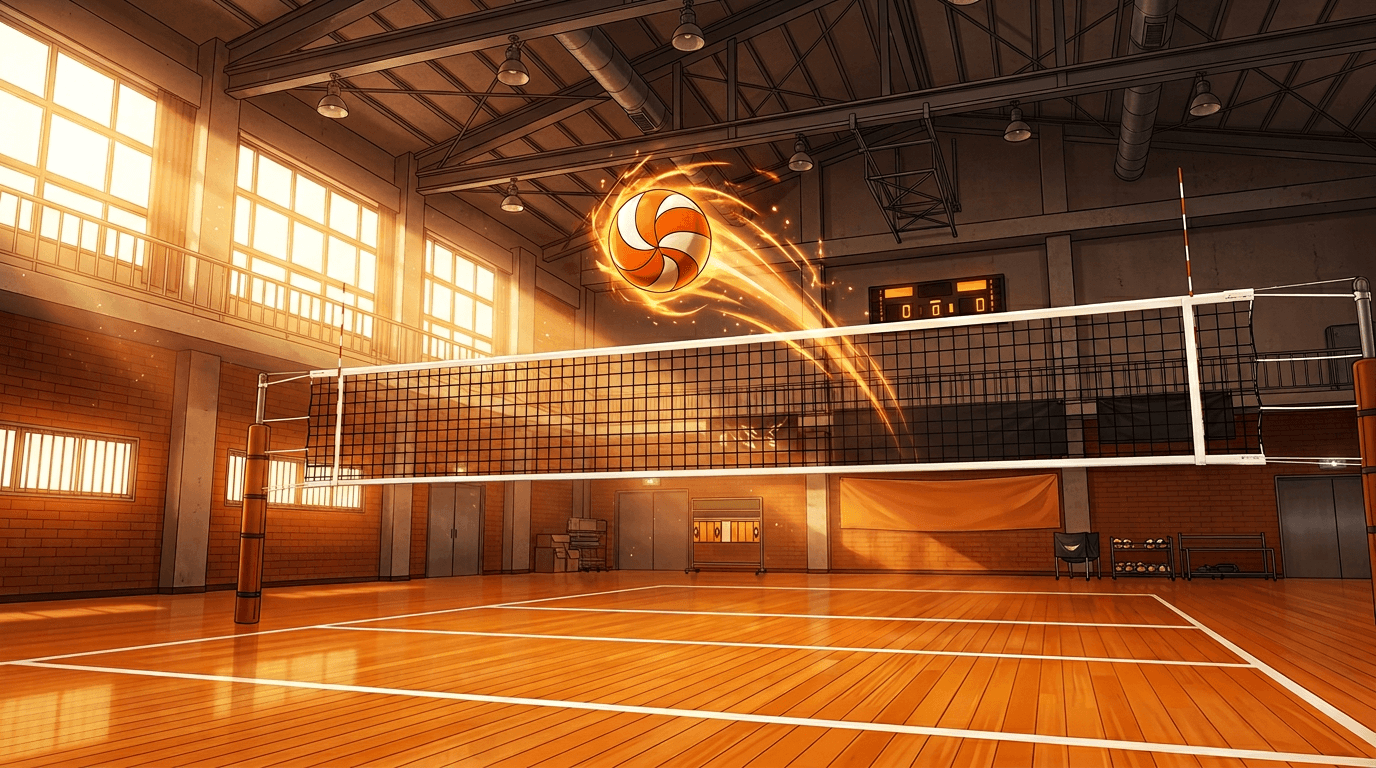
Fandom headcanons are organized by the specific creative communities that have formed around each series, game, or book. Every fandom develops its own headcanon culture: its recurring interpretations, contested questions, and shared vocabulary for discussing what a character "would" do. The Harry Potter community has spent decades theorizing the Marauder era. Attack on Titan fans are drawn to moral complexity and cycles of violence. Haikyuu readers write post-canon futures for characters the manga only glimpsed.

30
Fandoms covered
12
Anime series
8
TV & web series
5
Games & visual novels

How Headcanon Culture Differs by Fandom Type

Not all fandoms approach headcanons the same way. The community around a long-running shonen anime brings different creative instincts than the community around a literary fantasy novel series or an open-world RPG. Understanding those differences helps you get more out of each fandom page on this site.

๐ŸŽŒ

Anime & Manga

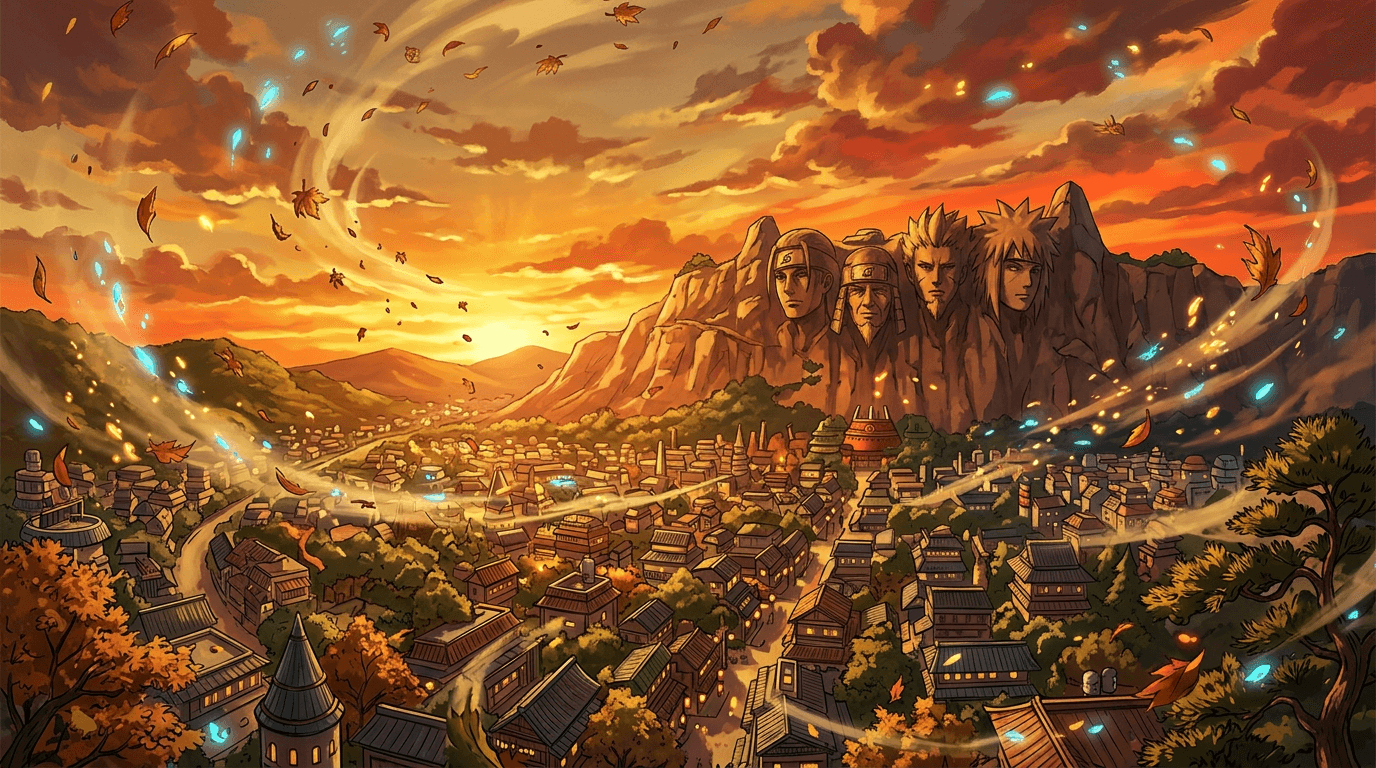
Anime fandoms tend to generate a high volume of character-focused headcanons: hidden emotions, backstory fills, and domestic "slice of life" interpretations. The visual, expressive nature of anime characters โ€” their designs, voice acting, and symbolic motifs โ€” gives fans a rich texture to riff on. Series like My Hero Academia, Naruto, and Jujutsu Kaisen have sprawling casts, which means headcanons often explore dynamics between side characters who receive little screen time.

๐ŸŽฎ

Games & Visual Novels

Game fandoms are uniquely driven by player agency. In Genshin Impact, Persona 5, or Undertale, the player is often a participant in the story โ€” which makes headcanons more personal and varied. Fans frequently write "what if" scenarios around optional content, missed dialogue, or mechanics that imply character interiority. Visual novels in particular breed obsessive analysis of every route and branching choice.

๐Ÿ“บ

TV Series & Animation

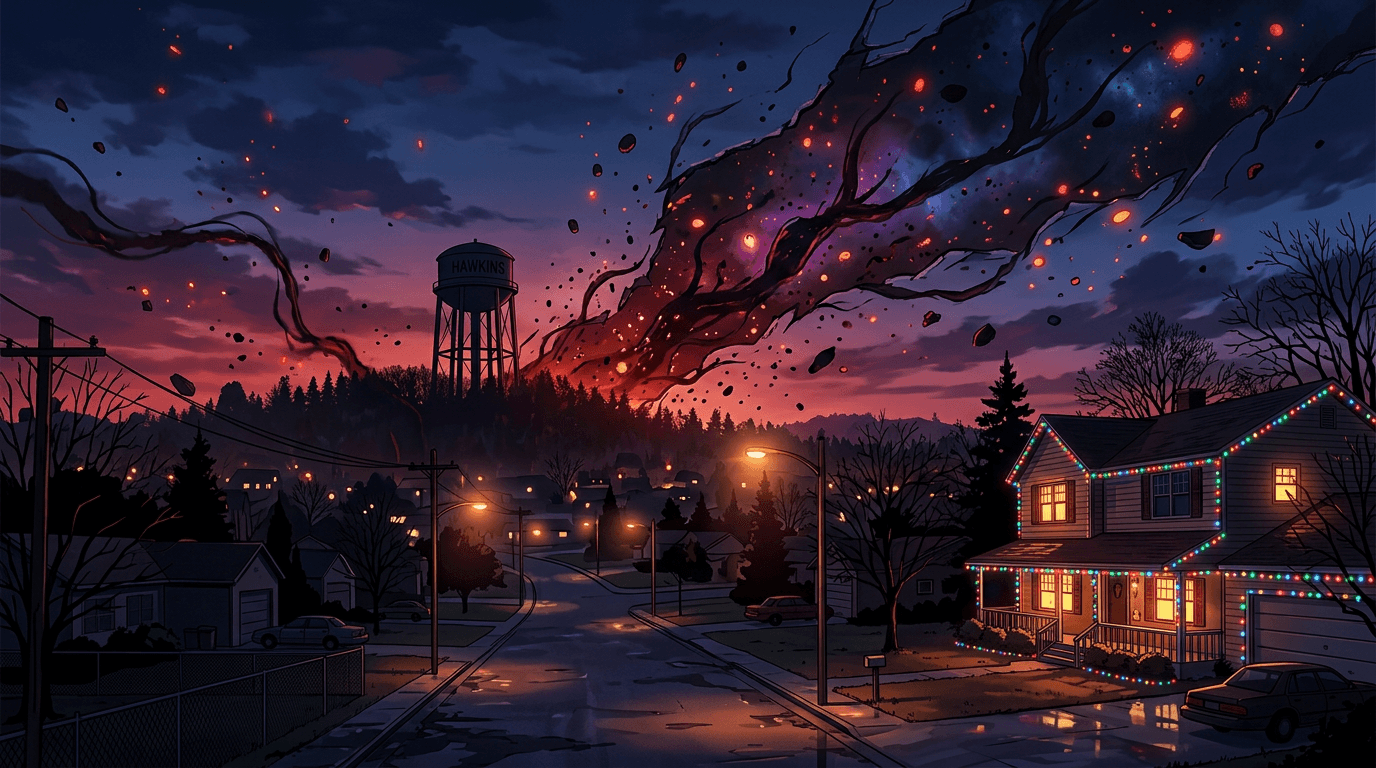
TV fandoms like Stranger Things, Gravity Falls, or Arcane often focus on timeline gaps and relationship development that happen "between seasons." The slower release cadence of TV gives communities more time to develop elaborate theories. Animation studios like Cartoon Network (Steven Universe, The Owl House) have deliberately cultivated progressive representation, which creates community cultures that heavily invest in identity and relationship headcanons.

๐Ÿ“š

Books & Literary Series

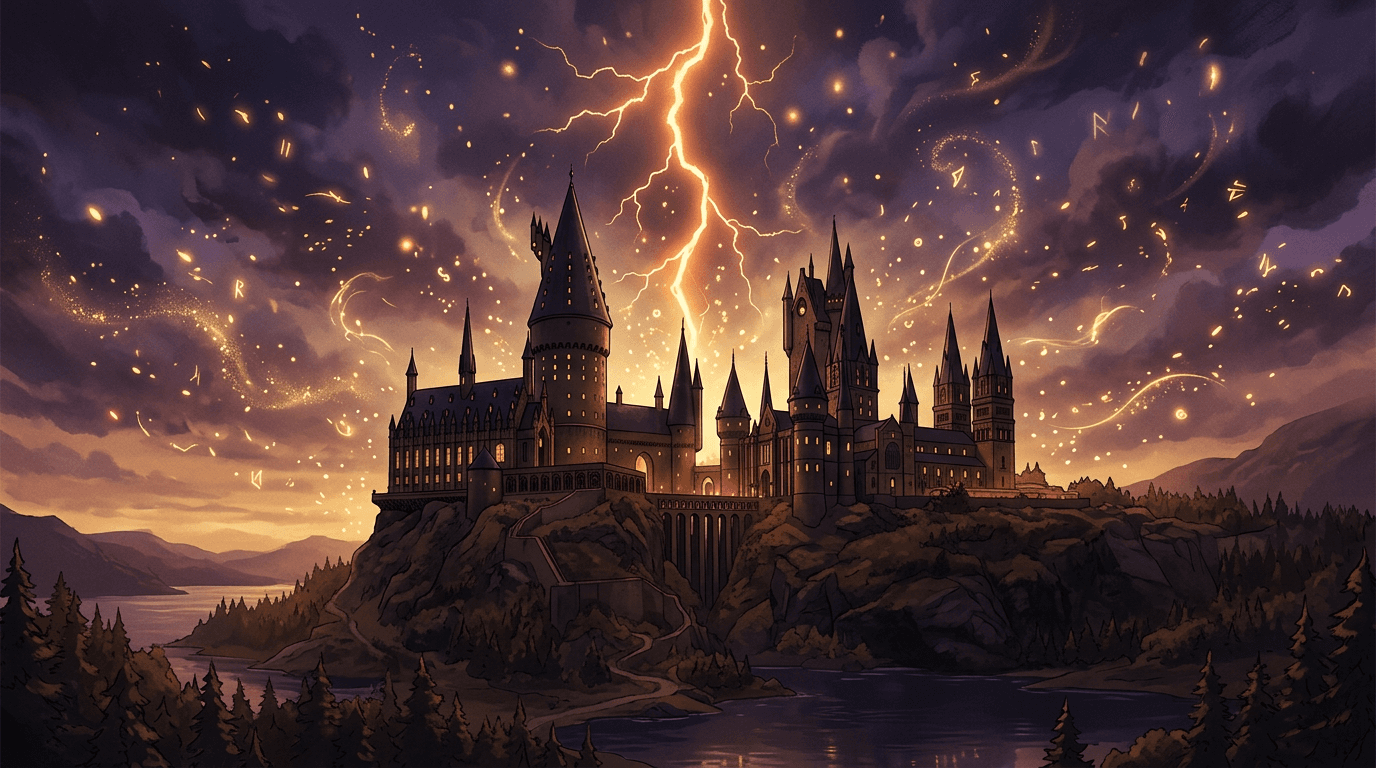
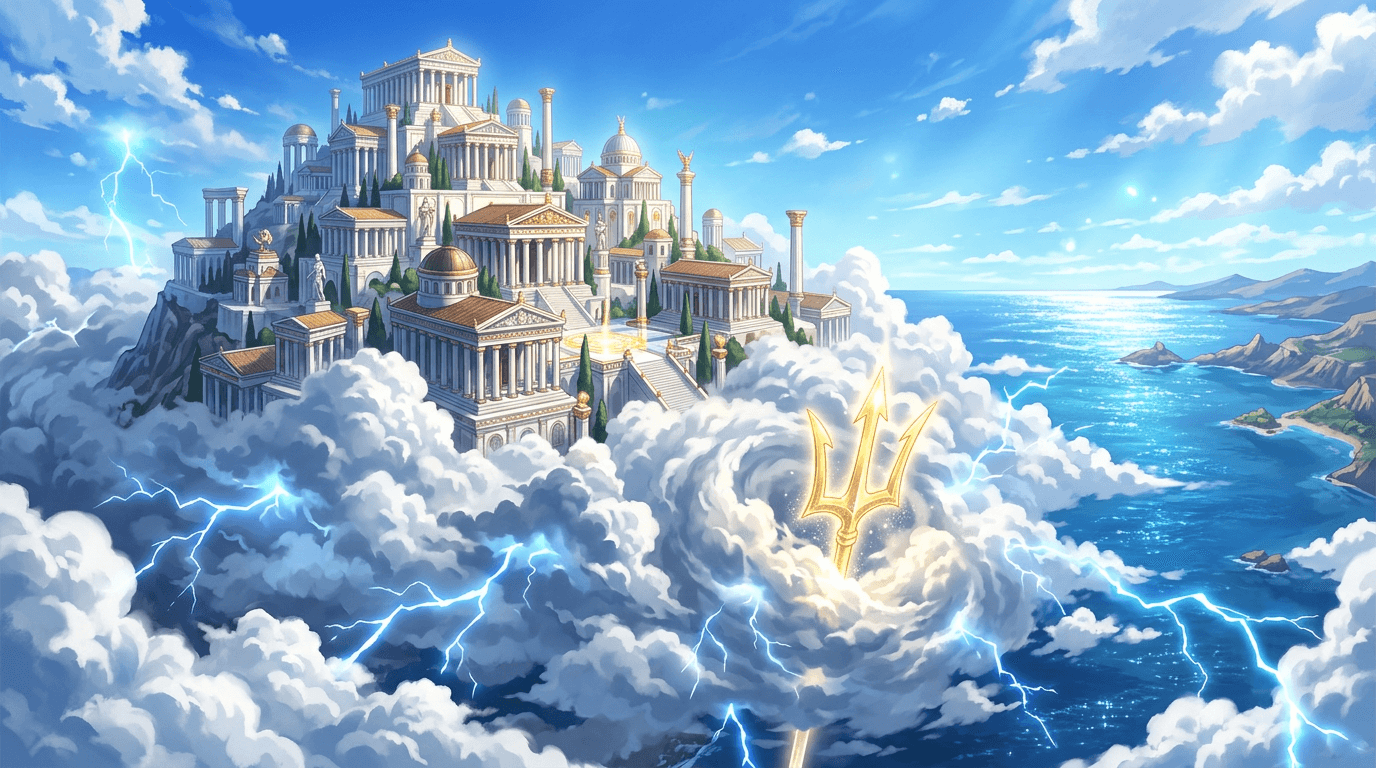
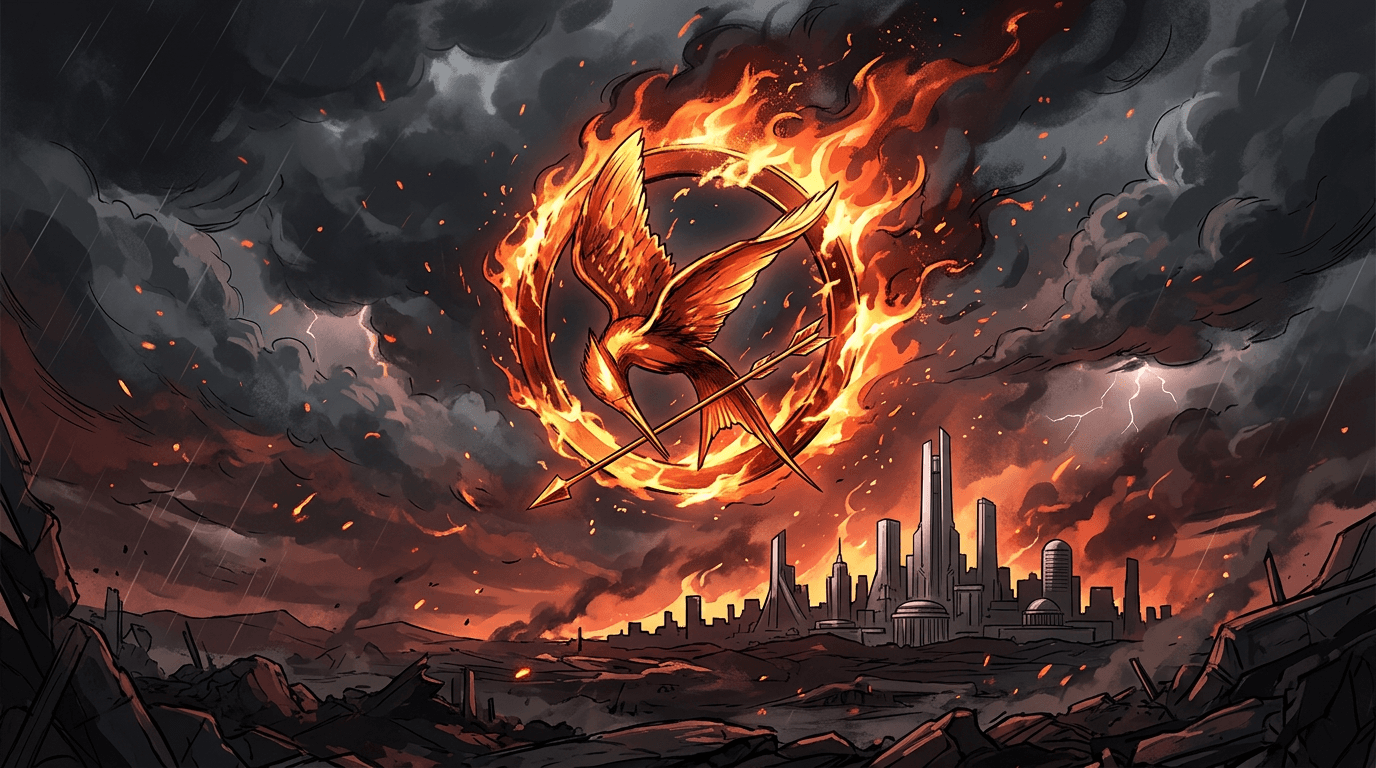
Book fandoms โ€” Harry Potter, Percy Jackson, The Hunger Games โ€” skew heavily toward character interiority and backstory. Because prose gives us direct access to thoughts and feelings, book fans are acutely aware of whose perspective is centered and whose isn't. Headcanons in these communities often focus on secondary characters: exploring what Neville's years after Hogwarts looked like, or what life was like in the districts before the Capitol's rule.

How to Use the Fandom Pages on Headcanon.io

Each fandom page on this site is built around three things: character analysis, curated headcanon examples, and generator integration. You don't need to be an expert in a given series to get value from a page โ€” but if you are, the analysis is designed to be substantive enough to hold up.

The curated examples aren't just illustrative โ€” each one includes a "Why This Works" breakdown that explains the craft behind the headcanon: which character details it builds on, what emotional gap it fills, and what kind of story it opens up. This is meant to be as useful for a writer looking for technique as for a fan looking for inspiration.

At the bottom of each page, you'll find a link to the relevant generator pre-loaded with the fandom. Depending on what you want to create, you might use the Character Headcanon Generator, the Relationship Headcanon Generator, or the Scenario Generator โ€” each produces different creative outputs from the same character input.