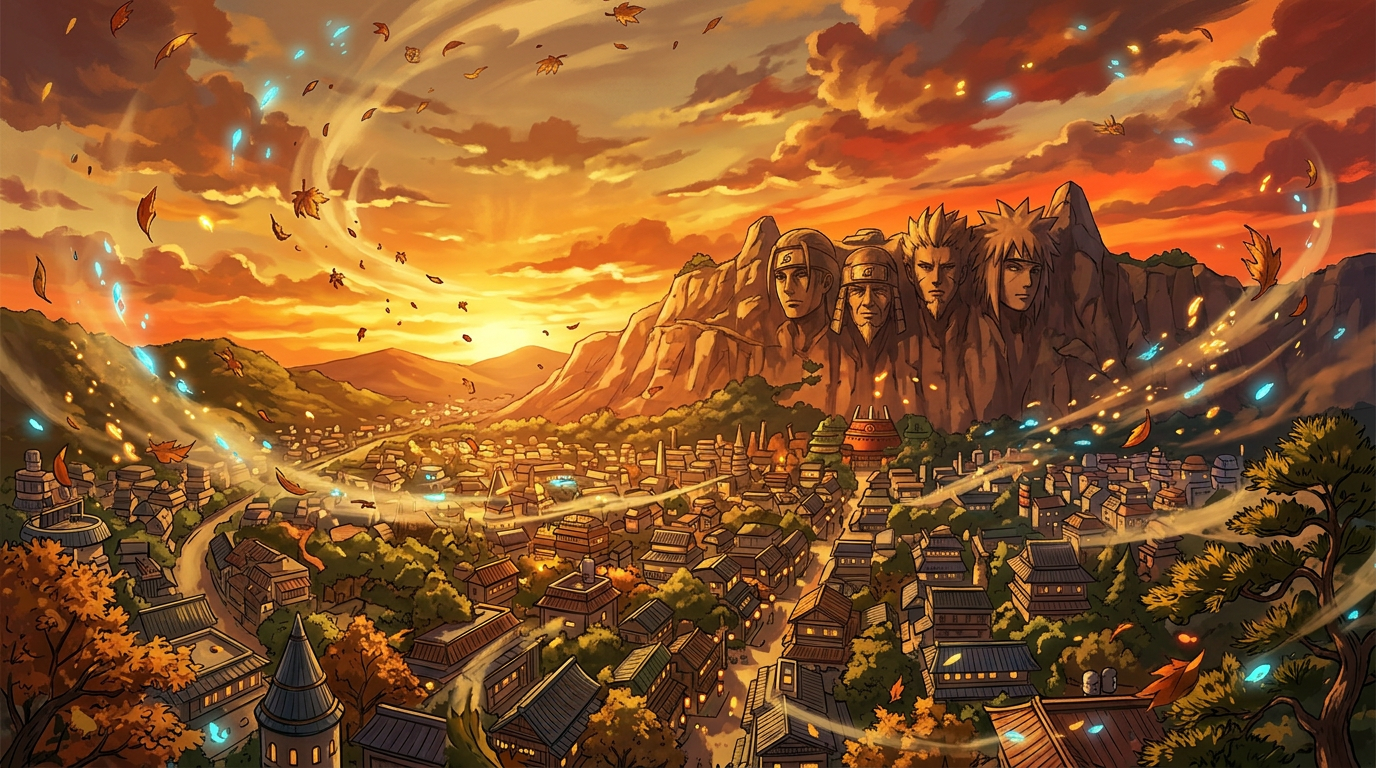
Naruto builds its characters around a recurring structural question: what does loneliness produce, and what does recognition cost? Nearly every major character in the series was isolated, abandoned, or defined by a wound before the narrative begins — Naruto's jinchuriki status, Gaara's childhood, Sasuke's massacre, Kakashi's repeated losses. The series asks what it takes to reach those people, and the headcanon community often finds the answer more interesting than what the series itself provides.
What makes Naruto particularly generative for fan interpretation is the gap between the series' stated optimism and the actual cost of the events it depicts. Naruto reaches Sasuke. Gaara becomes Kazekage. But the question of what it actually costs someone to have been that alone, and what 'being reached' even does to a person after years of forming their entire identity around isolation, is something the series tends to resolve too quickly. Headcanons live in the time the narrative skips.
The older generation — Kakashi, Minato, Kushina, the original Team 7, and the Sannin — is especially active territory because these characters carry enormous emotional weight that the main narrative only partially unpacks. Kakashi's lateness as grief behavior, Itachi's clarity about impossible choices, Minato's decision to use his own son as a vessel: these are events the series names but rarely examines from the inside, and that interiority is exactly where headcanons operate.
✍️This page is curated by the Headcanon.io editorial team — fans who engage with these communities directly. Character analysis and headcanon examples are selected to reflect the creative depth of each fandom, and are updated as community trends evolve. Learn more about us.