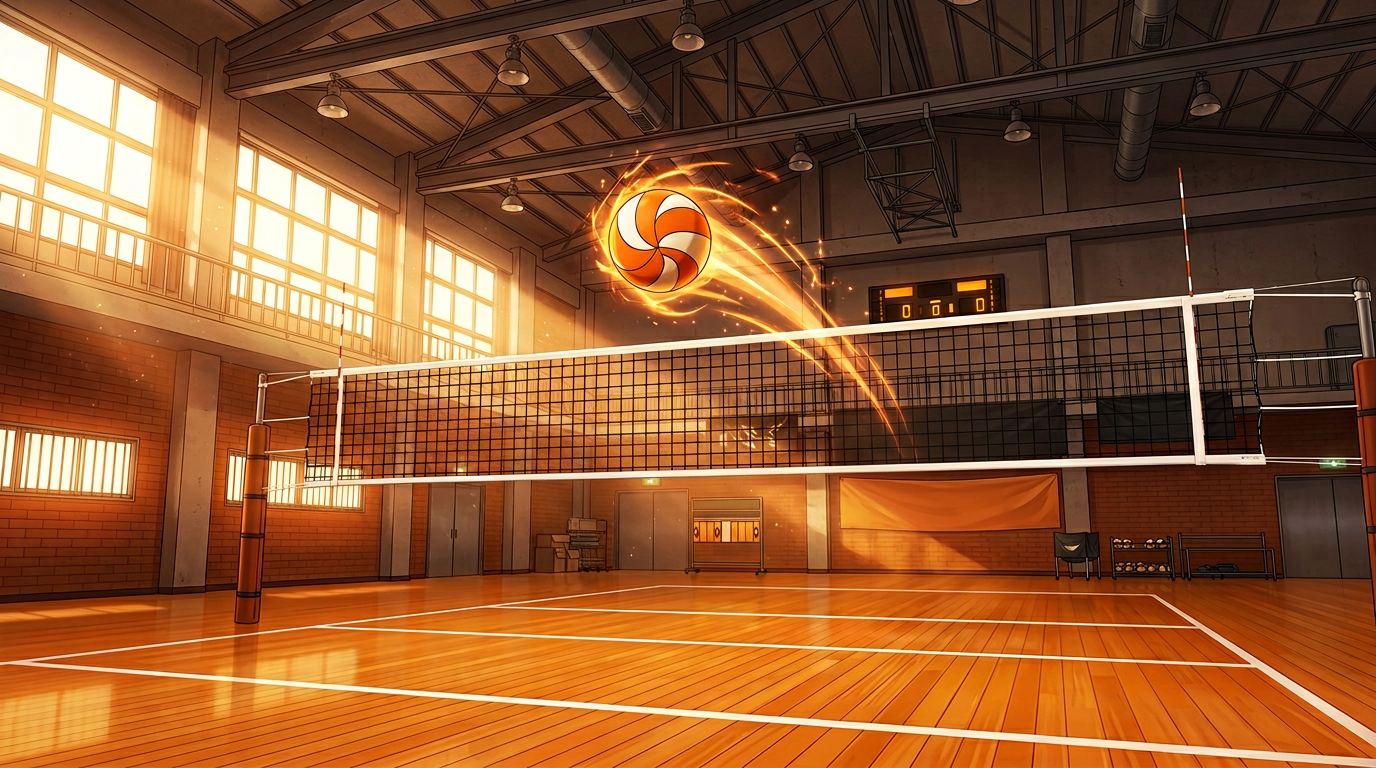
Haikyuu produces headcanon material of unusual psychological specificity because Furudate built the series on a foundation of competitive psychology rather than power fantasy. Every major character has a specific relationship with their own talent — Kageyama's control-as-vulnerability, Tsukishima's deliberate underinvestment, Oikawa's gap between effort and result, Bokuto's volatility — and these psychological architectures are precisely detailed enough that headcanon writers can extrapolate from them with unusual precision.
What makes Haikyuu particularly generative is the team dynamic structure. Relationships in the series are overwhelmingly built around shared struggle and complementary limitation rather than romantic or familial bonds, which creates an unusually wide range of relationship types for headcanon work. The Kageyama-Hinata partnership, the Kuroo-Kenma dynamic, Akaashi's management of Bokuto's emotional volatility — these are all specific enough to extend meaningfully, not generic enough to work for any pair of characters.
The post-canon period is especially active in Haikyuu fan communities, partly because the series ends with characters launching into adult athletic and professional careers that the manga only glimpses. Where do Kageyama and Hinata end up? What does Tsukishima's ongoing relationship with volleyball look like once the stakes of high school are gone? What is Oikawa's international career actually like from inside? These questions have defined the post-canon headcanon community for years.
✍️This page is curated by the Headcanon.io editorial team — fans who engage with these communities directly. Character analysis and headcanon examples are selected to reflect the creative depth of each fandom, and are updated as community trends evolve. Learn more about us.